Health and Safety Policy — Yeading Skip Hire
Purpose: This policy sets out the commitment of Yeading Skip Hire to protect the health, safety and welfare of employees, contractors, clients and the public during all skip hire and rubbish collection activities. It applies to skip delivery, collection, site-based waste handling and vehicle operations across our service area. The aim is to prevent injury and ill health, control risk and promote safe working practices while delivering reliable skip hire and rubbish removal services.Scope and responsibilities: The policy covers all personnel and operations related to skip hire, waste transfer and on-site rubbish management. Key responsibilities include:
- Management — ensure resources, training and supervision; maintain safe systems of work.
- Supervisors — carry out risk assessments, monitor compliance and report hazards.
- Employees and contractors — follow safe methods, use PPE and report incidents.
 Risk assessment and control measures: Formal risk assessments are conducted for all skip hire tasks including delivery, siting, loading, transport and collection. Risks such as manual handling, vehicle movements, site traffic, contact with hazardous waste and environmental contamination are identified and controlled by a combination of elimination, substitution, engineering controls and safe working procedures. Control measures include clear site exclusion zones, segregation of waste types, use of lifting aids, and vehicle banksman procedures to reduce collisions and slips, trips and falls.
Training, competence and supervision
All staff involved in skip hire, rubbish collection or site management receive induction and role-specific training. Training covers manual handling, loading techniques, waste classification, vehicle safety, spill response and basic first aid. Competence is verified through observation and refresher sessions. Supervisors provide ongoing coaching and maintain training records to ensure the skip hire team remains capable of managing risks across varied work sites.
 PPE, equipment and vehicle operations: Appropriate personal protective equipment (PPE) is supplied and maintained. Items include high visibility clothing, safety boots, gloves, helmets and eye protection. Equipment such as tail lifts, straps and securing chains are inspected before use. Vehicle safety controls include pre-shift checks, secure load procedures, appropriate routing, and adherence to speed limits. When performing rubbish removal or skip delivery, drivers and loaders must always follow established safe operating procedures to protect themselves and the public.
Site management and hazardous materials
Skip siting and site tidiness are essential to reduce hazards. Locations are assessed for stability, pedestrian routes and access for emergency services. Hazardous wastes — including suspected asbestos, chemicals, sharps or biological material — must not be placed in general skips. Such materials are handled only by authorised personnel with specialist controls or by arranging appropriate hazardous waste removal. All staff are trained to recognise potential hazardous materials and to take immediate steps to isolate and report them.
Incident reporting and emergency procedures: All accidents, near misses and environmental incidents are reported promptly and recorded. The company maintains an internal incident reporting system to identify trends and implement improvements. Emergency procedures cover spill response, fire, medical emergencies and vehicle collisions. First aid provision and emergency contact protocols are in place, and periodic drills are conducted to ensure preparedness.
 Monitoring, audits and performance: Regular site inspections, vehicle checks and safety audits form part of the company’s monitoring regime. Health and safety performance is measured through leading and lagging indicators such as training completion rates, inspection scores, incident frequency and corrective action closure times. Internal audits and management reviews ensure that skip hire operations and rubbish collection processes remain effective and that lessons learned are translated into practical changes.
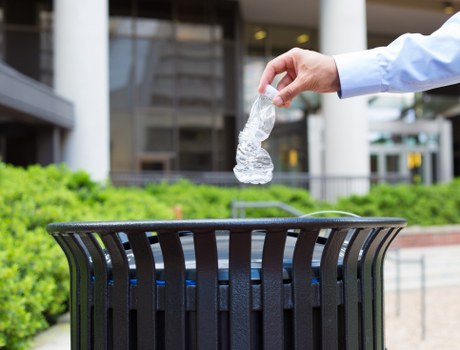 Environmental protection and waste segregation: Yeading skip hire services commit to managing waste responsibly to minimise environmental impact. Waste segregation and correct disposal pathways are promoted at source to reduce contamination and to support recycling wherever practicable. Fuel, oil and spill containment procedures are maintained for vehicles and plant. This approach aligns operational safety with environmental stewardship and community responsibility across our service area.
Continuous improvement and review: This policy is reviewed at planned intervals and updated following significant incidents, legislative changes or operational shifts. The company encourages suggestions from staff to improve safety and efficiency. Management undertakes to provide the necessary resources to implement changes and to maintain an open culture of safety where every member of the team is empowered to stop unsafe work and report concerns.
Commitment: The leadership of this skip hire company is committed to achieving high standards of health and safety in all rubbish removal and skip delivery activities. By embedding safe systems of work, ensuring competence, and maintaining robust monitoring, the organisation aims to protect people, property and the environment.
Approval: This policy is endorsed by senior management and is communicated to all employees, contractors and stakeholders. It represents the minimum standard for safe operation and will be supplemented by site-specific procedures and risk assessments where required. Regular implementation reviews will ensure that the policy remains relevant and effective for ongoing skip hire and waste management operations.