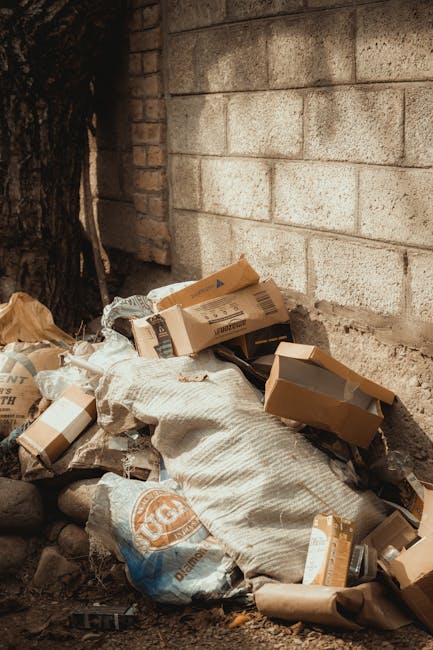
Rubbish removal Yeading Lane UB4 made simple
If you are trying to clear clutter, deal with builders' waste, or shift a few awkward items in and around Yeading Lane, UB4, the whole thing can feel more complicated than it should be. That's exactly why Rubbish removal Yeading Lane UB4 made simple matters: you want a clear process, a sensible price, and someone who turns up when they say they will. Simple, really. Well, in theory.
In practice, the best waste removal service is the one that fits your job, your access, and your timeline without turning your week upside down. This guide walks you through what rubbish removal involves, how it usually works, which option suits which type of waste, and what to check before you book. If you are weighing up a skip, a wait-and-load job, or a more flexible rubbish removal service, you will find the basics here in plain English.
We will also cover the practical bits people often forget: permits, access, what can and cannot go in, how to avoid overpaying, and where same-day help can make life a lot easier. If you've ever stood in a hallway looking at a sofa, a broken wardrobe, and two bags of old tiles thinking, "Right... now what?", this is for you.
Table of Contents
- Why Rubbish removal Yeading Lane UB4 made simple Matters
- How Rubbish removal Yeading Lane UB4 made simple Works
- Key Benefits and Practical Advantages
- Who This Is For and When It Makes Sense
- Step-by-Step Guidance
- Expert Tips for Better Results
- Common Mistakes to Avoid
- Tools, Resources and Recommendations
- Law, Compliance, Standards, or Best Practice
- Options, Methods, or Comparison Table
- Case Study or Real-World Example
- Practical Checklist
- Conclusion
- Frequently Asked Questions
Why Rubbish removal Yeading Lane UB4 made simple Matters
Yeading Lane sits in a busy part of west London where people juggle home improvements, family life, small businesses, trade work, and the sort of everyday clear-outs that seem harmless until the pile starts spreading. In that setting, waste removal is not just about "getting rid of stuff". It is about keeping your property usable, your neighbours happy, and your project moving.
That last part matters more than people think. A half-finished clearance can block a driveway, get in the way of deliveries, or make a renovation drag on for days. If you are managing a home refit, a loft clean-out, or a commercial refresh, a simple removal plan saves time and avoids those awkward, stop-start moments where everyone is waiting for the rubbish to disappear before work can continue.
There is also a safety angle. Loose rubble, broken glass, heavy furniture, fridges, and old building materials are not just ugly. They are trip hazards. They can damage flooring, block access routes, and make a site feel more chaotic than it needs to be. Keeping rubbish under control is basic housekeeping, but when the waste is bulky or mixed, it becomes a job in its own right.
And let's face it, most people do not want to spend a Saturday driving back and forth to a tip with a boot full of damp carpet offcuts. You want the job done, done properly, and done with the least fuss.
Expert summary: The simplest rubbish removal is the one matched to your waste type, access, and urgency. If those three things are clear, the rest becomes much easier to plan.
How Rubbish removal Yeading Lane UB4 made simple Works
Rubbish removal is usually straightforward once you know which route suits your job. In most cases, the process starts with a quick description of what needs clearing. That might be a sofa, general household junk, builders' rubble, garden waste, or mixed items from a garage or loft. From there, the provider can suggest the most practical method.
For many household and small commercial jobs, the route is a direct collection service. That means a team arrives, loads the waste, and takes it away. If the waste is already piled neatly or placed at accessible ground level, this is often the easiest option. If the job is heavier, more fragmented, or spread across a site, you may be better looking at grab hire services or man and van support.
If the waste is domestic and you are clearing a room, you might be looking at something like house clearance or a focused service such as garage and loft clearance. If it is garden debris, green waste, branches, turf, or hedge trimmings, garden waste removal is more suitable.
For construction jobs, the approach changes again. Builders' rubble, broken blocks, timber, plasterboard, and mixed site debris may be better handled with builders waste removal or a more structured option such as construction waste disposal. If the site is larger or more active, site clearance can be a better fit.
The final step is usually sorting, loading, transport, and disposal or recycling. The good operators will separate recoverable material where possible and handle the rest according to accepted waste management practice. It should feel organised, not improvised. There is a difference.
Key Benefits and Practical Advantages
The obvious benefit is convenience. You do not need to hire a van, source labour, or work out where everything goes. But the better benefit is that a proper rubbish removal setup reduces delay. If the waste goes quickly, your next job starts sooner.
Here are the practical advantages people usually notice first:
- Less lifting and heavy carrying: useful if the items are bulky, awkward, or simply too much for one person.
- Better access to your property: driveways, entrances, hallways, and workspaces stay clearer.
- Faster turnaround: especially helpful for end-of-tenancy, trades, and time-sensitive clear-outs.
- More suitable for mixed waste: when your load includes several different item types.
- Potential recycling value: where waste can be sorted rather than dumped as one unsorted load.
- Lower stress: not glamorous, but absolutely real.
There is also a subtle benefit: a tidy clearance makes the next decision easier. Once the rubbish is gone, you can see what space you actually have left. That matters whether you are planning a refit, a sale, or just a long-overdue reset at home.
If you are comparing waste options, it may help to look at skip hire as well, especially for ongoing renovation work. A skip can be useful if waste will be generated over several days. If you want a better feel for load sizes, the page on skip sizes and prices is a sensible place to start.
Who This Is For and When It Makes Sense
This kind of service suits a wide range of people, not just builders or landlords. In fact, many of the calls are from ordinary homeowners who have reached the point where the spare room has become a storage room. Happens all the time.
Rubbish removal around Yeading Lane, UB4 tends to make sense for:
- Homeowners clearing old furniture, clutter, broken appliances, or renovation waste.
- Tenants who need to clear belongings before moving out.
- Landlords and agents dealing with left-behind items or post-tenancy mess.
- Tradespeople who need waste cleared quickly so the next phase can begin.
- Small businesses removing office furniture, packaging, archive waste, or redundant stock.
- Gardeners and property maintainers dealing with cuttings, soil, and outdoor debris.
It is also a good fit when access is awkward. Some streets and driveways simply do not make skip placement easy, or you may not want a skip sitting outside for days. In those cases, wait and load skip hire can be more practical, because the waste is loaded and taken away without long roadside storage.
If you have valuables or sensitive files mixed into the clutter, there is a smarter route too. confidential shredding is worth considering when paperwork, records, or documents need secure disposal rather than just being tipped into general waste. Not everything should go in the same pile, really.
Step-by-Step Guidance
If you want the simplest possible process, keep it organised from the start. A little planning goes a long way here.
- Identify the waste type. Is it household rubbish, garden waste, construction debris, bulky furniture, or a mix?
- Check access. Think about parking, stairs, narrow paths, gates, and whether items need carrying from upstairs rooms.
- Separate anything hazardous or restricted. Paints, chemicals, and certain electrical items may need special handling. If in doubt, ask before the job starts.
- Choose the right service method. For example, a full clearance, rubbish removal, a skip, or a grab hire option.
- Ask for a clear quote. Make sure the price reflects labour, loading, disposal, and any extra conditions such as difficult access.
- Prepare the area. Put items in one place if you can. It saves time and usually keeps costs more predictable.
- Confirm timing. If the job is urgent, ask whether same day skip hire or a rapid collection is available.
- Check what happens after collection. A decent provider should be able to explain how waste is handled and where possible recycling is prioritised.
A practical example: if you are clearing a small front room after new flooring has been fitted, you may have underlay, offcuts, a damaged armchair, and packaging. That is a classic collection job. If the same project stretches into kitchen rip-out debris, plasterboard, and heavier mixed waste, the choice may shift towards builders skip hire or even construction waste clearance.
One more thing. If you are unsure, ask for the method that gives you the least friction. The "best" option is the one that fits your real-life setup, not the one that sounds good in a brochure.
Expert Tips for Better Results
After years of seeing the same avoidable mistakes, a few tips stand out. They are small, but they save hassle.
- Group similar items together. It helps with sorting and speeds up loading.
- Keep access clear before the team arrives. Move cars if needed, unlock gates, and make sure items are reachable.
- Separate reusable items early. Once everything is in one heap, it becomes harder to rescue anything useful.
- Be honest about the volume. If you understate the load, you can end up with a rushed second booking.
- Flag awkward items upfront. Fridges, mattresses, and oversized sofas often need special handling. The pages on fridge and appliance removal and mattress and sofa disposal are useful if those are part of your job.
Here is a simple rule of thumb: if the job looks tidy before the team arrives, it usually goes faster. And faster tends to mean smoother, less stressful, and sometimes cheaper. That part is common sense, but people forget it in the middle of a busy week.
If you are dealing with a commercial premises, remember that business waste can carry a different set of expectations around segregation and documentation. For offices, office clearance may be a better route than generic collection, especially where furniture, IT items, and paperwork are involved. For shops or mixed-use spaces, commercial skip hire may be more appropriate when the waste stream is continuous.
Common Mistakes to Avoid
The biggest mistake is choosing a service before understanding the waste. A pile of bric-a-brac is not the same as a pile of rubble, and a sofa is not the same as a stack of treated timber. If you get the category wrong, the solution can become awkward very quickly.
Other common mistakes include:
- Leaving everything until the last minute. Good planning is still the cheapest convenience.
- Mixing hazardous items with general rubbish. That can create disposal problems and safety risks.
- Ignoring access constraints. Narrow lanes, low walls, or tight parking can change what is possible.
- Not checking permit needs. If a skip needs to go on the public highway, you may need a permit. For a better overview, see skip hire permits and skip permits.
- Choosing a method that does not match the timeline. If the waste is piling up daily, a one-off collection might not be enough.
Another trap is assuming all waste is handled the same way. It is not. Recyclable loads, furniture, rubble, green waste, and confidential materials each benefit from different handling. If you keep that in mind, you are already ahead of most people.
Tools, Resources and Recommendations
You do not need fancy equipment to plan a rubbish removal job, but a few simple tools help a lot. A tape measure is useful for bulky items. A phone camera helps when you want to show the load before booking. A notepad or quick list on your phone stops you forgetting the awkward bits, which, to be fair, is easy to do.
Helpful pages to review before you book include:
- what can go in a skip if you are deciding whether a skip suits the waste.
- skip sizes and prices for help matching volume to budget.
- pricing and quotes when you want a clearer idea of the booking process.
- waste recycling services if sustainability matters to your project.
- recycling and sustainability for a broader view of responsible disposal.
For heavier material, especially soil, rubble, or mixed excavation waste, muck away services can be a better fit than a standard clearance. And if the load is loose and accessible from a drive or roadside, grab lorry hire is often worth considering because it can load material quickly without the need for manual barrowing over long distances.
If you are dealing with a property that needs emptying from top to bottom, house clearance or site clearance may be the more complete option. A targeted service is not always enough, and that is fine. The goal is the right clean-up, not the cleverest label.
Law, Compliance, Standards, or Best Practice
Waste removal in the UK is one of those areas where the practical side and the compliance side overlap more than people expect. You do not need to become a legal expert, but you do need to know the basics. Responsible waste handling means using a provider that treats waste carefully, transports it properly, and disposes of it in line with accepted practice.
For homeowners, the main point is simple: do not mix prohibited, hazardous, or specialist waste into a general load unless the provider has confirmed it is acceptable. For businesses, the expectations are usually higher, especially around waste segregation, duty of care, and record keeping. Even if you are only clearing a small office, it pays to be organised.
Best practice also means checking that the company has sensible health and safety procedures, appropriate insurance, and a clear payment process. The site pages on health and safety policy, insurance and safety, and payment and security are useful signals of how a provider thinks about the work.
If your waste may include fridges, freezers, certain appliances, or items that could contain hazardous components, ask before booking. Similarly, if you are dealing with chemical containers, old paint, or anything that feels borderline, it is far better to clarify than to guess. Guessing is never a good waste strategy. Rarely works out well, that.
Options, Methods, or Comparison Table
Choosing the right approach depends on access, waste type, and how quickly you need the area clear. The table below gives a practical comparison.
| Method | Best for | Strengths | Limitations |
|---|---|---|---|
| Rubbish removal | Mixed household, bulky items, one-off clear-outs | Simple, fast, labour included | May not suit ongoing large volumes |
| Skip hire | Renovations, ongoing waste, DIY projects | Good for repeated loading over time | Needs space and sometimes a permit |
| Wait-and-load skip hire | Short jobs, limited parking, no long-term skip space | Useful where roadside storage is tricky | Requires you to load promptly |
| Grab lorry hire | Heavy, loose, accessible waste like soil or rubble | Fast loading, good capacity | Less suitable where access is very tight |
| Man and van | Smaller household loads and flexible collection | Handy for awkward items and flexible timing | Not ideal for large construction volumes |
If you are still unsure, think about the shape of the job rather than just the amount of waste. A small but awkward clearance can be harder than a bigger, neat pile. Access decides a lot.
Case Study or Real-World Example
Here is a realistic example from the sort of job people often need around Yeading Lane. A family is preparing to repaint a rear room and clear a cluttered garage at the same time. The garage has old shelving, broken boxes, a small fridge, a mattress, and a mix of odd household bits that have built up over years. Nothing dramatic, just accumulated life.
At first, they think a small skip will do. Then they look at access and realise the front space is tight, the driveway is already partly used, and they do not want a skip sitting there for days. After a quick review, they choose a collection approach with support for the bulky items and arrange appliance removal separately. The job is done in one visit, the garage becomes usable again, and the room can be painted without waiting around for a second phase of clearing.
What made the difference was not luck. It was matching the method to the problem. No drama, no wasted movement, no guessing. Just a clear plan.
That same logic works for trade work too. A builder stripping out a bathroom may use builders skip hire if the job lasts several days, or builders waste removal if the waste needs collecting between stages. If the job involves a full structural strip-out, demolition waste removal or demolition waste removal may be more appropriate than a generic rubbish solution.
Practical Checklist
Use this checklist before you book or start loading waste:
- Confirm what type of rubbish you have.
- Note any bulky items such as sofas, mattresses, appliances, or wardrobes.
- Identify any hazardous or special waste.
- Check whether access is tight, steep, or restricted.
- Decide whether you need same-day help or can plan ahead.
- Compare rubbish removal, skip hire, wait-and-load, and grab hire.
- Ask about permits if a skip may need to sit on public land.
- Keep documents, valuables, and reusable items separate.
- Make sure the collection area is clear and safe.
- Ask how waste is handled after collection.
If you want the clean-up to feel calm rather than chaotic, this little checklist is worth five minutes of your time. Probably less, actually.
Conclusion
Rubbish removal in Yeading Lane, UB4 does not need to be a headache. Once you match the waste to the right method, the whole job becomes much simpler: clearer access, less lifting, faster turnaround, and fewer surprises. That is the real value of keeping things simple.
Whether you need a one-off household clearance, a trade waste solution, or a more flexible option for an awkward property, the best move is to start with the practical questions: what is the waste, how much is there, and how quickly does it need to go? Answer those, and the rest falls into place more easily than you might expect.
Get a free quote today and see how much you can save.
And if the task still feels a bit much, that is normal. Waste piles up quietly, then suddenly becomes a proper job. The good news? Once it is gone, the space feels lighter straight away. That relief is hard to beat.
Frequently Asked Questions
What does rubbish removal in Yeading Lane UB4 usually include?
It usually includes the collection, loading, transport, and disposal of unwanted items such as household clutter, furniture, garden waste, or mixed clear-out rubbish. The exact scope depends on the provider and the type of waste.
Is rubbish removal better than skip hire?
It depends on the job. Rubbish removal is often better for one-off clearances, bulky items, or properties with awkward access. Skip hire can be better if waste will be added over several days and you have a suitable place for the skip.
Do I need a permit for rubbish removal?
Usually not for a direct collection service. Permits are more commonly linked to skip placement on public roads. If you are considering a skip, check the guidance on skip hire permits or skip permits.
Can I get same-day rubbish removal?
Sometimes, yes. Availability depends on the provider's schedule and the size of the job. If the waste needs to go urgently, ask about rapid collection or same day skip hire where relevant.
What items are commonly removed?
Common items include sofas, mattresses, fridges, appliances, garden waste, boxes, general clutter, and light construction debris. For specialist items, it is best to confirm before booking so they can be handled correctly.
Can builders' waste be taken away?
Yes, but it should be handled as construction or builders' waste rather than general household rubbish. Services such as builders waste removal and construction waste disposal are more suitable for that type of load.
What happens to the waste after collection?
It is typically sorted, with recyclable materials separated where possible and the remainder sent for appropriate disposal. If sustainability matters to you, review recycling and sustainability and waste recycling services.
How do I know which service is best for my job?
Start with access, waste type, and timing. If the waste is mixed and awkward, direct rubbish removal or man-and-van support may suit you. If the work is ongoing and heavy, a skip or grab lorry may be better.
Can appliances and furniture be removed together?
Often yes, but appliances and large furniture may need to be listed separately when you request a quote. Items such as fridges, freezers, mattresses, and sofas are best discussed upfront so nothing is missed.
Is rubbish removal suitable for business premises?
Yes. Offices, shops, and small commercial spaces often use rubbish removal for redundant furniture, packaging, archive waste, or general clear-outs. For larger or ongoing commercial waste, commercial skip hire may be more efficient.
What should I do before the team arrives?
Clear access, separate anything you want to keep, and make sure you have identified any restricted or hazardous items. A neat, well-marked load usually makes everything run more smoothly.
Who should I contact if I want to book or ask a question?
If you are ready to move ahead or just want to talk through the best option, use the booking or contact pages on the site. The important thing is to ask before the clutter becomes another week of stress. That bit's easy to delay, and then suddenly it is Saturday again.